Guides
HVAC Contractor Service Quality: A Documentation Framework
HVAC contractor service quality takes documented design, commissioning, survey, and handover records; price that work into the ductwork quote.
What to take away
- Quality in this trade is a measurement problem. The customer cannot see the work, so the reading is the product.
- Commissioning is the moment quality becomes provable. A system that was started up and left is a system nobody can defend.
- Four failure modes cover almost every unhappy HVAC customer, and three of them are decided before the technician arrives.
- Write standards as observable actions with an artifact. Anything else is a slogan on a wall.
- Nothing here states a target reading. What a system should measure comes from the manufacturer's instructions and the applicable design procedures, not from an article.
HVAC contractor service quality is measurable when the job file connects the agreed scope, design basis, commissioning readings, and customer handover. This framework shows what to record and how to include that work in a ductwork quote without inventing universal technical targets.
Why opinion is a poor measure here
Ask a customer whether their HVAC work was good and they will tell you about the technician's manner, the state of the floor, and whether anyone called back. All three matter. None of them is the work.
The work is whether the system moves the air it was designed to move, whether the refrigerant circuit is right, whether combustion and venting are safe, and whether what was installed suits the building. A customer cannot assess any of that, which means two things.
Poor work goes unnoticed for months, and good work goes unrewarded unless you make it visible. The reading, handed over and explained, is how you make it visible.
Commissioning is where quality becomes real
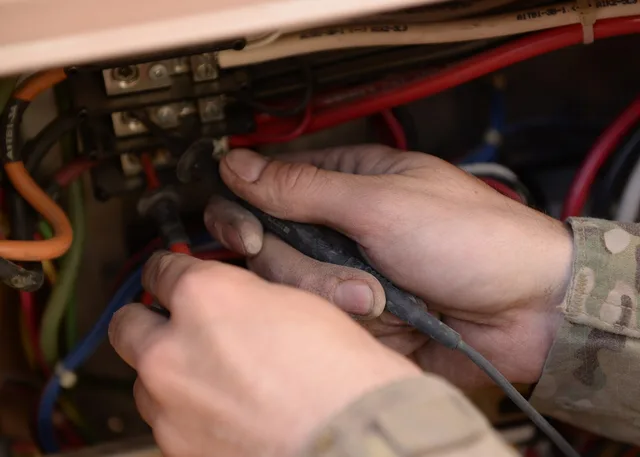
Commissioning is the set of measurements taken at startup that show the installed system is performing as intended, recorded and handed over.
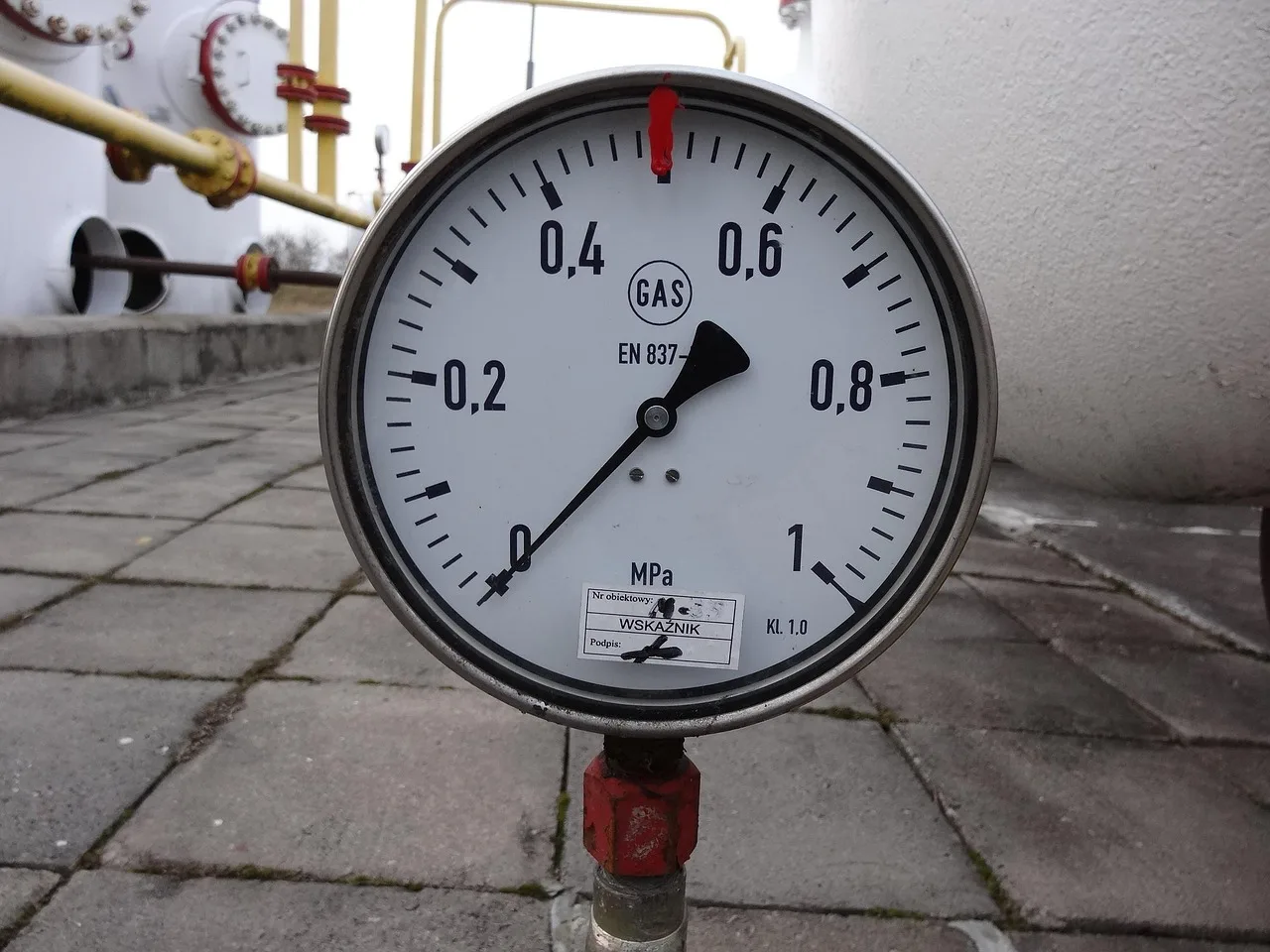
What belongs in it depends on the system and on what the manufacturer's installation instructions require for that equipment. Typically it covers airflow, the static pressure the system is operating against, temperature rise or drop across the equipment, refrigerant circuit condition, electrical measurements, and combustion and venting checks on fuel-burning appliances.
The Air Conditioning Contractors of America publish the procedures the trade uses for load calculation, equipment selection and duct design. The readings only mean something when compared against what those documents and the manufacturer specify.
Ask two questions before you set your own commissioning form: what does this manufacturer require to be verified at startup, and what does my mechanical code official expect to see. Then build the form from those answers rather than from a template.
- Job and customer identifiers; equipment make, model, and serial number; technician; date; operating mode; and manufacturer instructions or design documents used.
- For each testmeasurement and unit, test location or method, instrument ID, acceptance criterion and its source, result, and any correction or retest.
- Include airflow; static pressure and measurement locations; temperature rise or drop; refrigerant checks required for the equipment; electrical measurements; and combustion and venting checks when applicable.
- Close with the commissioning result, technician sign-off, and confirmation that the record was added to the job file.
Record the instrument ID and its calibration or verification status on the commissioning form; instrument selection is covered in the equipment and setup guide. A firm that cannot measure cannot commission, and a firm that cannot commission is selling the same thing as the cheapest bidder.
The four failure modes
Wrong system for the building. Equipment selected by matching the old unit rather than by calculating what the building needs. This one is decided at the quote, and no amount of installation care fixes it.
A duct system that cannot carry it. New equipment connected to ducts that were undersized, leaking or badly laid out. The system will run, the customer will be uncomfortable, and the complaint will arrive in the first extreme week.
Installation defects. Poor connections, missed evacuation, condensate routed badly, venting done to a standard the code official would not accept. These surface anywhere from a week to a year later.
Communication failures. The customer expected something that was never in the scope. The most common single cause of a dispute, and the cheapest to prevent.
Notice that three of the four are decided before anyone picks up a tool. Quality in this trade is mostly a survey and a document problem.
| Failure mode | Where it is decided | What prevents it |
|---|---|---|
| Wrong system for the building | At the quote | A load calculation rather than matching the old unit |
| Duct system cannot carry it | At the survey | Measuring and saying so before the sale |
| Installation defect | On the job | A standard with an artifact attached |
| Communication failure | At the quote and the handover | Written exclusions and a handover pack |
The right-hand column is the whole quality system in four lines.
What a standard should look like
A usable standard has four parts and fits on one page.
The observable action, written so it can be done or not done. The evidence it produces. The person responsible. And the point at which someone must stop and escalate.
"Leave the site clean" is not a standard. "Photograph the work area before starting and after finishing, and attach both to the job record" is a standard. Write each one so that it can be done or not done, and so that it leaves something behind on the job record.
The handover pack
The single highest-return document in a service business. It takes minutes and it decides how the next year goes.
What was found. What was done. What was measured, with the readings. Photographs of anything the customer cannot see. Equipment model and serial numbers. Warranty terms, separating your workmanship terms from the manufacturer's product warranty. What the customer should do, particularly filters. And what you deliberately did not do, with the reason.
Close the handover record with the customer name, technician, date, delivery method, and any customer questions or declined recommendations. Record acknowledgment of receipt without treating it as acceptance of system performance.
That last line prevents more disputes than everything above it. A customer who was told at handover that the duct system remains a limitation does not become a customer complaining that the new equipment underperforms.
Keep the packs. They support a warranty position later and provide a consistent record if a customer raises a question. Set a written retention policy that accounts for the legal, contractual, tax, and warranty obligations applicable to each record rather than assuming one period applies to every file.
The survey is part of the work
Because three of the four failure modes are decided before installation, the survey deserves as much discipline as the install.
A survey that produces a quality outcome records the building, not just the equipment. What is there now and how old it is. What the duct system looks like where it can be seen, and what cannot be seen. The electrical supply. The venting route. Where condensate goes. Access, for the installation and for every service visit afterward.
It also records what the customer says they experience, in their words, because that is the standard the job will eventually be judged against. A room that was always too warm before is a room the customer will check first afterward, and knowing that at survey changes what you quote.
Send the same person to survey who will be responsible for the install where you can. Where you cannot, the survey document has to be good enough that a stranger could work from it.
- Record the address, existing equipment and age, visible duct condition, areas or components that could not be inspected, electrical supply, vent route, condensate destination, and access constraints.
- Capture the customer's reported comfort issue in their words, the affected rooms, relevant photographs, scope assumptions, recommendations, and the customer's decision on each recommendation.
Measuring quality without pretending
Four internal measures, all from records you already have.
Define the measures from job records. The return visit rate is completed jobs with a return visit divided by completed jobs, split by cause. First-visit close rate is service calls resolved on the initial visit divided by completed service calls. Track completion-to-invoice as the elapsed time between those recorded timestamps. Commissioning-record completeness is installed jobs with all required commissioning fields completed divided by installed jobs requiring commissioning.
Review them monthly against a fixed definition. A measure whose definition drifts is a measure nobody can act on.
Reviews, carefully
Public feedback matters commercially, and the rules about it are strict. The FTC's Trade Regulation Rule on the Use of Consumer Reviews and Testimonials (16 CFR Part 465) addresses fake reviews and incentives conditioned on a particular sentiment. The FTC Endorsement Guides (16 CFR Part 255) also apply to endorsements and material connections.
Practically: ask every customer the same way rather than only the happy ones, never offer anything in exchange for a positive review, and do not suppress or filter negative feedback. Answer criticism factually and without arguing about work the reader cannot see.
Quality and the people who deliver it
Refrigerant work requires EPA Section 608 technician certification: Type I, Type II, Type III, or Universal, as applicable to the work. State and local licensing requirements vary, so identify the licensing authority and license category for the service area and keep credential evidence with personnel records; the licensing and compliance guide covers related compliance operations.
Do not treat quality records as unpaid work: include the labor and time for surveying, commissioning, documentation, and handover in the job's cost before setting the price. The Bureau of Labor Statistics employment and wage tables can help contextualize labor planning; the arithmetic is in the pricing and profit guide.
Set required record fields by job family and include the time they take in that job's scope. The services and packages guide and startup and market guide address adjacent business decisions, not substitutes for the job record.
Common questions
Is commissioning worth the time on a small job?
The readings that matter change with the job, but taking none at all leaves you with no evidence and no defense. Decide the minimum set for each job type in advance rather than on the day.
How do I sell quality to a customer comparing prices?
Show the document. A commissioning record and a scope that names the duct system are things the cheaper quote does not have, and they are easier to explain than an argument about value.
What if the customer refuses recommended duct work?
Record the recommendation, record their decision, and note the limitation in the handover pack. That protects both of you and it makes the later conversation a reference rather than an argument.
Should we call customers after a job?
A short follow-up catches problems while they are small and cheap. Keep it factual and do not turn it into a review request, because the two conversations have different rules and different purposes.